29 min. Read
5.12.23

The Big Health Report

In this article:

Big Health is a digital therapeutics company at an interesting inflection point: Should it pursue FDA clearance and a prescription pathway? E&O dug into this question and many others in this 7,500-word report. Read on for Big Health’s annual revenues, number of patients treated, pricing, performance guarantee, and much, much more.

Peter Hames, a business development exec working at a karaoke startup in London, wasn’t the first insomniac sufferer who tried to convince Professor Colin Espie, a leading sleep disorders expert, to turn his book on Cognitive Behavioral Therapy into a business.

But about 14 years ago Hames was the first to succeed:

“I remember very vividly the day that I first called him. I just cold-called him. I was on my lunch break. I was in London walking around a freezing square because I wanted to take the call out of the office. Very tentatively, I rang the number.

He picked up and I was like, ‘Oh, Professor Espie. You don’t know me but my name is Peter Hames. I used your book. It cured me. I’ve got this idea. I think we can get this to more people.’

And he was like, ‘Do you know how many of these calls I get a week?'”

Hames often attributes his success on this front to his insistence that he and Espie meet in person. After hanging up the phone, Hames soon boarded a train to meet up with Espie in Glasgow. The combination of Hames’ showing up and the realization that the two future co-founders shared many of the same values — sparked the founding of the company that would become Big Health.

How to read this report

This 7,500-word report includes these sections…

  • A timeline that focuses mostly on the formative years of Big Health.
  • A summary slide of the outcomes metrics that Big Health shares with customers.
  • Big Health’s actual annual revenue numbers for 2020 and 2021 plus some color on 2022.
  • How Big Health prices its programs Sleepio and Daylight, average enrollment rates, and performance guarantee.
  • Big Health’s clinical research strategy and how it uses this in sales calls
  • Big Health’s evolving FDA strategy
  • And What’s likely next for Big Health

A Not-So-Brief History of Big Health

Read on for a not-so-brief history of the company with an emphasis on its product evolution and go-to-market shifts in its early formative years. Many of Big Health’s more recent decisions and milestones (2020-2023) are covered in other sections of this report.

Early 2010: The Great British Sleep Survey

Big Health got its start as a London-based company named Sleepio back in 2010. At the start of that year, Sleepio’s original website had a sole purpose: to encourage people in England to take what the company had branded “The Great British Sleep Survey”. Somehow Sleepio also managed to convince retail pharmacy chain Boots (and Boots’ online partner back then, WebMD) along with a UK charity named The Mental Health Foundation to co-sponsor and promote the survey. This was the pitch:

“We’re taking the first-ever snapshot of Great Britain’s sleep. Whether you sleep like a baby or struggle to get a wink of satisfying sleep please take 5 minutes to complete our Sleep Survey. Based on your anonymous answers to a few simple questions you will get a ‘Sleep Score’, and advice tailored to any particular problems you might have. Developed by Prof Colin Espie, a world expert in sleep problems, your input will also help us develop new treatments for sleep problems.”

Sleepio also included a constantly updated footer that noted which town in England currently had the “best sleep so far” and which had the “worst sleep so far” to encourage the survey to go viral. (While the local competition angle isn’t there anymore, Big Health uses an evolved version of this original survey concept as the first step of its enrollment program today.)

2010: The first placebo-controlled RCT for a digital intervention

In 2010, Sleepio’s co-founders Peter Hames and Professor Colin Espie had also quietly begun a clinical trial that studied an online course version of the cognitive behavioral therapy program that Espie’s book contained. There are more details on this first clinical trial in the Evidence section of this report, but this trial was arguably the key milestone for the company’s founding. The trial has been called “the first adequately placebo-controlled trial of CBT for insomnia in an online format.”

Early 2011: Sleepio finds its mission to help millions of people who suffer from poor sleep

Within the year Sleepio made plain its ambition and posted the statement above at the top of its website. The company continued to host “The Great British Sleep Survey” and Boots remained its key sponsor. Sleepio also teamed up with big UK newspapers like The Guardian and Observer to distribute “The Good Sleep” handbook and CD, which were free inserts in those newspapers for at least one weekend edition.

October 2011: Sleepio launches The Sleepio Community for sleep tracking, peer networking, expert advice

By October 2011 Sleepio evolved from a simple online quiz to a free online sleep-tracking tool with community elements and tailored expert advice. At the same time, Sleepio added a new sleep survey initiative to its homepage that hinted at its long-term plans: The World Sleep Survey.

Here’s the pitch for the tracking component of the Sleepio Community:

“It takes less than a minute a day to complete our online sleep diary. By answering seven simple questions you can track the pattern and quality of your sleep, and view charts showing how it changes over time. But you can also tag each night with any possible influencing factors you want — from a big night out to a relaxing bath. Then on your personal Stats page you can find out how each of your chosen factors really affects your sleep.”

November 2011: Sleepio launches the beta version of The Sleepio Course, which uses Cognitive Behavioral Therapy (CBT) techniques

Almost two years after its founding, Sleepio’s co-founders finally revealed the beta version of the digital intervention that the company would spend the rest of its existence refining: An online CBT-based course intended to improve your sleep. The very first pitch for Sleepio’s CBT program:

Early 2012: Sleepio Course priced at £49.99 and the RCT results are in

By March 2012 Sleepio had taken its course out of beta and started selling it for £49.99. The description of the now commercially available course matches the original 2011 beta course blurb above. Around the same time, Sleepio posted topline results from their placebo-controlled RCT on their website’s FAQ section. Here’s the key excerpt:

“Our results show that the Sleepio course helped around 75% of people with persistent sleep problems to improve their sleep to healthy levels, compared with the placebo and no treatment conditions which had relatively little impact. In research trials, it is usual to report average scores, and these averages of course include those who benefitted least as well as those who saw great improvements. Nonetheless, we found an average reduction in time taken to fall asleep of 50% and in time spent awake during the night of 60% within the Sleepio group. We also found that people using Sleepio rated their quality of sleep as having more than doubled (a 115% increase) and their energy and daytime wellbeing levels increased by 58% during the daytime. Importantly, these improvements with Sleepio were found to be lasting because effects were maintained at our two-month follow-up point.”

July 2013: Sleepio Course priced at three tiers

About a year later Sleepio added three pricing tiers. While the middle option remained the same as the original price £49.99 (or about $80 at the time), Sleepio added a more expensive weekly option as well as a pricier option that offered access for twice as long:

Early 2014: Sleepio tries in-person retail at Boots

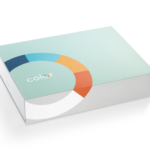
By the start of 2014, Sleepio had built on its partnership with Boots to move beyond online promotion and into a pilot to try to sell Sleepio’s online course via empty cardboard boxes stocked next to the sleeping pills on the shelves of about 100 of Boots’ retail pharmacies. Here’s what the product looked like (pricing was consistent with Sleepio’s own online shop):

By the end of 2014: Big changes for Sleepio (now Big Health) as it connects to wearables, raises funding, eyes the US market, and ramps up B2B efforts

Going Big: In 2014 Sleepio legally changed its name to Big Health. The name is a nod to the company’s positioning as a digital alternative to Big Pharma. (It also signaled the company’s ambitions to expand beyond its formerly eponymous flagship program, Sleepio.)

First funding: In April of that year, the company announced that it had raised its first round of outside funding, $3.3 million, led by Index Ventures and Forward Partners.

Partnership drama led Big to see outside investors: Years ago, Hames used to tell interviewers that the company decided to pursue outside funding after an important partnership fell apart at the last minute. The soured deal saddled Big Health with tens of thousands of dollars in legal bills and, likely, a suddenly uncertain go-to-market strategy. While Hames has never named the company that Sleepio was on the verge of inking a big deal with, it seems likely that it was its longtime partner Boots. It was also around this time that Boots and Big Health had decided that the in-store pilot program of trying to sell online courses via cardboard cutouts at Boots pharmacies was a failure.

This was the same year that the big Walgreens-Boots merger occurred. Did Walgreens-Boots consider taking Sleepio to the USA? Or was it some other company that briefly sent Big Health into a tailspin?

Calling Corporate America: In any case, the venture funding set Big on a course for America. While it continued to serve the UK market (Hames even became an NHS Innovation Fellow a few months after this), the company believed that large self-insured employers in the US were its best bet for reaching its goal of bringing Sleepio to millions.

More B2B… Sleepio Clinic: While its employer-focused B2B efforts grew and came to dominate Big Health commercial endeavors over the years, the company also quietly launched another B2B initiative called Sleepio Clinic. This set of sleep medicine resources was targeted at healthcare professionals and researchers.

Big offered them a free Sleepio Clinic account to receive sleep medicine research summaries and reference articles, access to Big Health’s interactive sleep test (named the Sleep Condition Indicator, a validated sleep assessment tool), online networking with other sleep medicine colleagues, and access to a patient dashboard to monitor their patient’s progress as they make their way through the Sleepio Course.

(I hadn’t previously heard of Sleepio Clinic, but I imagine this initiative helped the company attract academic researchers who contributed to Big Health’s impressive number of clinical trials.)

Wearable connectivity: This was also the year that Big Health leaned into the growing trend of fitness wearables. Instead of requiring Sleepio Course students to enter their sleep data manually, Sleepio gave them the option to connect their Jawbone UP or Bodymedia Fit wearable data to their Sleepio account. By the end of 2014, Big Health had added connectivity to Fitbit devices as well as Apple HealthKit.

Finally, an app: Around the same time, Big Health launched its first smartphone app, Sleepio for iOS users. Here are a few screenshots from the original Sleepio app:

2015: Price hike and first employer customers

By 2015, Big Health had raised the direct-to-consumer price of Sleepio to about $250 for a year. The consumer price hike was likely driven by Big’s growing focus on self-insured employers, which could afford to pay more than individual consumers.

Early employer case study: One of Big’s early pilot B2B customers was an insurance company named The Hartford. Years later, the company shared in a case study that 26 percent of its covered population engaged with the Sleepio sleep quiz, and 11 percent of the population enrolled in the full CBT program for insomnia, which The Hartford said was more than double the participation rate for the company’s EAP at the time.

Big-name self-insured employers like Comcast and LinkedIn were among Big Health’s earliest customers.

2016-2017: DTC goes up to $300 then up to $400.

In 2016, Big Health raised the price of Sleepio again — $300 for consumers willing to buy it themselves directly. The company pitched this as:

“Your virtual sleep therapist for less than $1 per day.”

In 2017, the company raised this price yet again to $400 where it stayed until the DTC option vanished entirely from the site in subsequent years. Starting in 2017 and up through the present, Big Health continued to offer DTC access to Sleepio but only for people willing and qualified to participate in a clinical study (and only if a clinical study happened to be enrolling at the time).

Considering that $400 is the typical price per participant that Big Health charges its self-insured employers, it seems likely that these DTC annual price changes that I tracked for prior years mirrored what the company was charging its early self-insured employer customers.

By the end of 2017, Big Health had also more fully embraced that its Sleepio program wasn’t just treating insomnia. The company had long noticed that Sleepio was also helping people who had depression or anxiety symptoms that contributed to their insomnia, but they hadn’t yet branded the company a mental health company. That began to change. (More on this and Big Health’s “Trojan Horse Strategy” in the Regulatory Strategy section of this report below.)

2018-2019: B2B strategy solidifies. Launches second digital therapeutic, Daylight.

In some ways, 2018 and 2019 were the last two formative years for Big Health. By the time the COVID-19 pandemic hits in early 2020, Big Health had figured out its product mix for the foreseeable future. By the end of 2019, Big Health had dozens of customers as well as a number of agreements with channel partners like Virgin Pulse and Collective Health to help sell its programs to additional self-insured employers.

In early 2019 Big Health launched its second product, a CBT-based digital therapeutic for people with anxiety, named Daylight. It’s a natural complement to Sleepio. The simple pitch was that Sleepio was for treating mental health at night and Daylight was for the rest of the day:

“Designed by leading experts in anxiety and cognitive behavioral therapy (CBT), Daylight helps people make behavioral changes that promote improvements in well-being and daily functioning as well as reductions in feelings of worry and anxiety. More specifically, Daylight teaches practical techniques scientifically proven to work. The Daylight app was built by leading podcast producers, filmmakers, designers, and animators to provide a fully immersive visual and auditory experience that is lighthearted and upbeat. Using the intimacy of a real human voice to connect with users, Daylight builds a personalized program based on users’ specific needs and reacts to how they are feeling in the moment to provide the help they are most likely to benefit from.”

Big’s Biggest Backer, PBM CVS: Without question, Big Health’s biggest champion since 2019 has been prescription benefits manager behemoth CVS. In 2019 CVS announced plans for a digital health formulary that it originally called Vendor Benefits Management (VBM). VBM aimed to make it easier for self-insured employers and digital health benefits companies to work together. Big Health’s Sleepio was the first and (for a short while) only program in CVS’ new digital health formulary:

“The first element of this is low-friction coverage and reimbursement; any CVS PBM customer can now easily add Sleepio to their existing PBM services. The second is seamless payment processing that integrates with those payers’ existing processes and systems. Facilitated by CVS’ new VBM platform, eligibility and payment processing for Sleepio enrollees is handled using the same infrastructure as any other product offered by CVS.”

2020-Present: Pandemic waiver. CVS medication targeting. UK’s NICE recommends.

We’ll dig into some of Big Health’s moves during the COVID pandemic more in other sections of this report (including its move to offer its programs for free to hundreds of companies and its decision to make more specific medical claims in marketing its two digital therapeutics thanks to an FDA waiver for psychiatric-related digital health during the public health emergency.)

Big Health’s most recent announcements have been well-covered in the press because by this time the company was better known and closely watched. A few recent highlights:

In mid-2022: The UK’s NICE officially recommended Big Health’s Sleepio as an alternative to sleeping pills. (More on this in the Pricing section below.) This was a big deal that set a new (lower) price for Sleepio and notified health professionals practicing in the UK that this treatment was considered first-line.

Also in mid-2022: CVS and Big Health announced a new collaboration they named “Medication Targeting” that enables self-insured employers and other payers that use CVS as their PBM to email (or text or mail) an invitation to download Big Health’s digital therapeutics whenever someone in their covered population fills a mental health medication prescription. Here’s how Big Health explained it at the time:

“Our new Medication Targeting program, launched in collaboration with CVS Health, is another significant step in achieving our mission, and we are excited to share that the program is now available to all health plan sponsors using CVS Caremark, the pharmacy benefit management (PBM) business of CVS Health. Through the Medication Targeting program, all patients who fill a common mental health medication prescription are offered immediate access to Big Health’s digital therapeutics, Sleepio for insomnia and Daylight for anxiety, as an option alongside their medications.”

Later in 2022: The other big PBM, Evernorth, announced that it had also inked an agreement with Big Health to add its two products to its Digital Health Formulary. Big Health remains one of the only digital health companies to have distribution through both Evernorth’s and CVS’ digital formularies.

Outcomes metrics that Big Health presents to its customers at six months and one year

Now that we have a better understanding of the evolution of Big Health’s two CBT-based digital therapeutic programs, it’s worth taking a quick look at the list of outcomes metrics that the company shares with its customers after deployments.

While some of these aren’t surprising at all, a few (like alcohol use?) may provide a more expansive view of what Big Health’s customers get out of the company’s programs.

This is a summary slide of the metrics that Big Health reports to its customers after a rollout of its Sleepio and Daylight programs. Big’s customer success teams spend between 45 minutes and an hour with customers to go over these outcomes. Typically, they host a call like this at the six-month mark and one year after enrollment begins.

Big Health’s Growth Metrics

Revenue, estimated revenue, and all-time patients treated

Big Health’s actual revenue for 2020 and 2021: Unlike past reports that E&O has published, this one has a company’s actual revenue numbers for two recent years. For 2020, Big Health posted $13.3 million in revenue from the sales of its Sleepio and Daylight programs. It went on to generate $20.3 million in revenue in 2021.

UK vs Rest of Europe vs Rest of the World revenue: In 2020, Big Health generated 99 percent of its revenue outside of the UK. It only brought in about $112,000 in revenue in its country of origin. Big had no European revenue (outside of its UK revenue) for 2020. The remaining $13.3 million was likely generated entirely in the United States.

In 2021 the share of revenue generated within the UK went up to 7 percent of Big Health’s book of business. The company brought in about $1.5 million in revenue from its UK business while the remaining $18.8 million was generated elsewhere — again, probably entirely in the US.

Estimating Big Health’s annual revenue for 2022 and 2023: It is difficult to come up with an estimate for Big Health’s annual revenue in 2022. During the pandemic, the company made its two programs available for free to a large number of people in the world. Hundreds of companies took Big Health up on its offer, but the company never disclosed exactly how many people it treated for free.

People treated since the start of the pandemic hint: Conveniently, Big Health’s CEO Arun Gupta told Stat News recently that the company has treated more than 150,000 people since the start of the pandemic. (“More than” adds even more uncertainty but let’s assume the hint was “exactly 150,000 people treated” for now.) That’s a big hint that we can use to maybe get close to some estimates for 2022 and 2023 annual revenue:

  • We still don’t know how many of those 150,000 people treated were treated for free.
  • We do know when the pandemic started (Let’s say at the start of Q2 in 2020).
  • And we do know Big Health’s revenue for the first two years of the pandemic ($13.4 million in 2020 and $20.3 million in 2021).

Since Big Health is paid per participant, the company’s maximum revenue generated from the start of the pandemic up until the present would be:

  • 150,000 participants x $400 (average selling price of Big Health’s programs) = $60 million

So, that is $60 million in maximum revenue generated between April 2020 and May 2023.

We know Big Health generated $13.4 million in revenue in 2020. Assuming its revenue is generated evenly throughout the year, we can guess that 75 percent of that number fell into the last 9 months of the year, which is the pandemic part of 2020 (April-December). So, that gets us to about $10 million of the $60 million total — leaving $50 million for the remainder of the time period.

We know Big Health brought in $20.3 million in 2021 so ($50 million – $20.3 million):

  • That leaves us with an estimated $29.7 million for revenue generated in 2022 and during the first four months of 2023.

Since 2023 is already one-third over, this estimated revenue figure indicates that — at worst maybe — 2022 may have been flat for revenue and 2023 is — at best — on its way to hitting $30 million maybe. (There’s still plenty of 2023 left though so anything can happen.)

Remember: This is pretty loose math. And there are at least two important unknowns at play here:

  • Gupta said the company had treated more than 150,000 people. How many more? 10,000? 20,000? At $400 apiece, whatever that number is could swing the total up quite a bit.
  • But that 150,000+ number also includes an unknown number of people treated who were treated for free during the pandemic, so the estimated revenue numbers above may be much lower in reality.

300,000 all-time patients treated: Another relevant and interesting metric that the company shared at the beginning of 2023, but one that probably doesn’t help much with these estimates, is that at some point in 2022, Big Health enrolled its 300,000th patient into treatment. That’s 300,000 over the course of the company. Since Gupta said the company has treated more than 150,000 since the start of the pandemic that (likely) means that more than half of all patients treated by Big Health enrolled between April 2020 and May 2023.

Big Health’s Pricing: Per Participant Enrolled (but some PEPM too)

When selling to self-insured employers, Big Health tends to pitch its programs as a three-step process. It starts with a population-wide sleep awareness campaign that leads to an invitation to take an online quiz about sleep habits (or anxiety in the case of Daylight).

While employees and their dependents may simply benefit from reflecting on the results of that quiz and the simple suggestions that Big Health may offer up based on those results, these initial marketing campaigns are all part of the company’s enrollment drive to get the higher-cost covered lives to move to Step Three, which is enrolling in one of Big Health’s cognitive behavioral therapy (CBT) programs — Sleepio and Daylight.

As Big Health assures potential buyers in sales calls: Customers only pay for Step Three.

Big Health typically charges customers $400 per program participant that enrolls in its programs Sleepio and Daylight. Amongst the many digital health companies courting self-insured employers these days, participation-based pricing seems to be the current preferred way to charge for employee benefits programs.

Some of Big Health’s payer partners, however, have managed to secure Per Employee Per Month (PEPM) fee-based pricing from the company in recent years. Back in 2019, one of these PEPM contracts showed that Big Health priced its programs at $0.55 PEPM with a minimum contract payment of $50,000.

Here’s how Big Health sometimes makes the pricing pitch to its self-insured employer customers. Big Health sets it up alongside the average cost savings that Sleepio and Daylight bring to existing customers. The $400 “program cost per enrollee” is somewhat buried as the second to last number on this slide (far right at the bottom).

Typical enrollment rate: Big Health has noted that some of its clients have upwards of 40 percent engagement with its program, which is usually referring to what percentage of the population takes Big’s sleep and anxiety quizzes. Some companies might call that activation rate. As the image above shows, Big Health typically sees enrollment rates between 5 percent and 7 percent of total employees at a customer.

Why a subscription revenue model doesn’t work for Big Health

In a podcast interview back in November 2021, Big Health Co-founder Peter Hames explained that while subscription models have worked well for some wellness apps, he does not believe it is an ethical business model for a digital therapeutic. Here’s his argument:

“We have seen some great success stories in the consumer wellness space where subscription models have been very effective. A small amount of money over a very long period of time. It could be like a Headspace or a Calm, these more consumer-focused apps, have been very successful in that way. The challenge is that if I find that [subscription model as my] solution, what are my incentives? The incentives are for you to stick around for as long as possible because I want to collect as much subscription revenue from you as possible. If this is an ongoing support, then that might be fine.

Arguably, the beauty of [cognitive behavioral therapy] is that we deliver outcomes very quickly — in a very short number of weeks we can get you healthy for years. You can see how those two incentives fight against each other. I don’t want to be driven economically to try to addict people to a service. That is obviously what is wrong with healthcare. There are too many economic incentives to deliver maximum treatment rather than the minimum treatment necessary to get someone healthy.”

Big Health’s Performance Guarantee

Big Health has a single performance guarantee in place for any customer that purchases its programs via its main PBM partner CVS. And Big Health co-founder Peter Hames confirmed to me in an email that the company regularly works with its other customers to include performance guarantees in their contracts too. I can’t confirm whether those include the same threshold, but here’s what Big Health promises to CVS clients:

Like most digital health companies’ performance guarantees, this is one that Big Health has said it finds to be pretty easy to achieve. The company chose 20 percent because it is also the threshold at which its clients experience a positive ROI.

How UK’s NICE Came Up with Its Own Price for Sleepio ($56)

Longtime readers of E&O likely already know (Issue 150) that the UK’s National Institute for Health and Care Excellence (NICE), which publishes evidence-based recommendations to England’s healthcare providers (and which they generally follow), recommended Sleepio as a first-line treatment for insomnia last year. For those that didn’t read about this in E&O back in 2022, let’s dig into NICE’s rationale as it’s an informative exploration of Big Health’s ROI in the UK market:

“NICE has recommended Sleepio as an effective alternative to sleeping pills, which would save the NHS money as well we reducing prescriptions of medicines such as zolpidem and zopiclone that can be dependency forming. Economic analysis found that healthcare costs were lower at one year when using Sleepio, mostly because of fewer GP appointments and sleeping pills prescribed.”

The NICE analysis wasn’t the first time that the organization had publicly debated and disclosed pricing for Sleepio.

In a Big Health study that NICE analyzed a few years ago, the cost of Sleepio was listed as $400 (£321) per user per year. (As noted above, that price is the one that appears to be most often cited, especially for the US market.) Another NICE document from 2021 stated that the price for Sleepio was £200 ($249) per user per year in the UK.

NICE’s latest analysis came to this conclusion about the price at which Sleepio is cost-effective:

“At a price of £45 per person, Sleepio is cost-saving compared with usual treatment in primary care. This is based on an analysis of primary care resource use data before and after Sleepio was introduced in nine GP practices. Healthcare costs were lower at 1 year, mostly because of fewer GP appointments and sleeping pills prescribed.”

£45 per person is about $56. Initially, NICE considered higher price points for Sleepio. Big Health apparently originally suggested a sliding scale based on uptake. Higher uptake meant a lower price per person. The company asked for a £90 per person price point, for example, assuming 1 percent adoption across the potential patient population:

“At the initial proposed prices, the technology was unlikely to be cost-saving compared with treatment as usual. When the population-based price proposed in the company submission was used in the EAC base case, Sleepio was cost-incurring compared with treatment as usual after 1 year and 3 years. The main driver of the results was the uptake rate of the technology across the population. The EAC reduced the uptake rate to 0.58% from the company’s estimate of 1%, and this increased the cost of Sleepio from £90 to £155.17 per user. The committee agreed with the EAC estimates and noted that any cost savings depended on the uptake rate. NICE then considered a new model: The tiered license-based cost model was proposed after the first committee discussion and the price per user was updated to £66.11. When this cost was applied in the EAC base case, Sleepio was cost-incurring by £16.59 per user at the end of year 1 but cost saving by £68.97 per user at 3 years. The committee did not agree that there was enough evidence to extrapolate the data to 3 years and concluded that the cost savings were uncertain.”

So, to add a little more detail on how the final price came to be:

“At the new proposed price, Sleepio is cost-saving at 1 year compared with treatment as usual. At consultation, the company proposed a price of £45 per user. When the EAC applied this new cost in its base case, Sleepio was cost-saving compared with treatment as usual after 1 year, and the cost savings increased if benefits were extrapolated beyond 1 year. The committee noted that there were limitations in the economic modeling because of its dependence on the Sampson et al. (2021) study and the lack of remission outcomes. However, the committee decided on balance that at this price the technology was likely to be at least cost-neutral and very likely cost-saving, and decided to recommend it as an option for people with insomnia and insomnia symptoms who would otherwise receive treatment as usual.”

Makings of a Moat: Big Health’s Clinical Research Program and Evidence Strategy

Startup founders and their boosters often debate whether or not they have a competitive “moat” in their respective markets. While Big Health has never explicitly referred to its clinical research program as its moat, some of its sales decks include a chart like the one below that clearly indicates that the company thinks of it that way:

Yes, this slide may be a year or two out of date, but the positioning is still revealing. Big Health points to its sheer number of randomized control studies published in peer-reviewed journals vs its competitors. It even specifically diminishes Ginger’s (now named Headspace Health) two RCTs in a footnote that also calls out one of Teladoc-owned myStrength’s RCTs for not being published in a peer-reviewed journal.

On the research tab of its company website, Big Health currently boasts 14 RCTs and more than 75 publications. Some of Big’s competitors have also added to their evidence base in the past year or two, but I’m sure the updated version of this slide still tells a similar story.

Better studied than sleeping pills too? Big Health co-founder Peter Hames is also fond of pointing out that more people have participated in controlled studies of Sleepio than have ever taken part in studies of the popular sleeping pill, Ambien.

How did Big manage to build such a sweeping portfolio of publications? Big’s Co-founder, President, and former CEO Peter Hames often explains in interviews that his co-founder Professor Colin Espie was the key here.

During a podcast interview in 2021, Hames dug into Espie’s impact on that front as well as how the company’s ability to spread the word that it was focused on clinical evidence — helped it build its evidence base:

“[Colin Espie] takes all the credit for this… It was really his drive and experience and perspective which led us to invest in clinical evidence. It comes from, initially, more of a bottoms-up value perspective rather than anything else. This is just the right thing to do… we did our first placebo-controlled randomized controlled trial way back before we raised money. That was one of the first things we did…

“There is no shortage of ways to spend a lot of money collecting clinical evidence. That is certainly true. What I would say is that [Big Health] is living proof that it is possible to collect a lot of evidence without spending a lot of money… I had the great benefit of having Colin as a co-founder where given his global reputation, his ability to structure and conduct research himself — obviously in collaboration with other independent researchers — was how we got the ball rolling… By showing that you are really serious about supporting science, it means that you open yourself up to the clinical community, in general, wanting to collaborate with you.”

Here’s how Hames framed advice he gives to other entrepreneurs who are in the early stages of figuring out their health tech startup’s clinical research program. This is from a podcast interview back in 2019:

“I have found that a lot of health technology entrepreneurs — at least in the early stage — struggle with this question of ‘how do we collect clinical evidence in a way that is … actually affordable?’ …My advice is always, just ring up a bunch of academics. The likelihood is you will find someone who is in desperate need of a technology solution to test and doesn’t have the skills and knowledge to build that technology. But maybe they already have existing research grants that can be put to work against testing an innovation.”

First Sleepio study had a claim to fame: As discussed in the Big Health origin story section above, Sleepio is based on the work of Espie, who was a professor at the University of Glasgow when he co-founded Big Health but is now a professor at the University of Oxford.

Since this is the evidence section of the report, it seems fitting to go a little deeper into the company’s first effort on that front. Espie and Hames garnered some acclaim for their very first clinical study of Sleepio back in 2010. As a paper from the University of Glasgow recounted back in 2014:

“Building directly on these two studies, Espie collaborated with Peter Hames (an independent entrepreneur) in 2010 to develop the evidence-based manuals used in the above trials into an internet-based insomnia CBT course named `Sleepio’. The online course comprised a media-rich, user-friendly environment in which CBT for insomnia was delivered by an animated virtual therapist. The University of Glasgow researchers subsequently designed and led a randomized placebo-controlled trial of the online course in which 164 patients were assigned to receive one of the following options: the online course (CBT), a sham placebo therapy called imagery relief therapy (IRT, an identical online environment design with a virtual therapist but with no active CBT content) or treatment as usual (TAU, the equivalent to GP standard of care). This was the first adequately placebo-controlled trial of CBT for insomnia in an online format. The results, published in 2012, revealed significantly greater improvement in the primary endpoint of sleep efficiency (total time asleep expressed as a percentage of the total time spent in bed) in the CBT group when compared to the IRT or TAU groups. An eight-week follow-up survey indicated that benefits in the CBT group were maintained, thus confirming the lasting benefits of the online delivery method for CBT to patients with chronic insomnia.”

How Espie frames the moral imperative of clinical research for DTx companies: Espie recently laid out his approach to developing a clinical research program for a digital therapeutics startup in an excellent chapter of the 462-page textbook, Digital Therapeutics: Strategic, Scientific, Developmental, and Regulatory Aspects, published in late 2022.

Here are a few lines from the book that point to Espie’s thinking:

“Plainly and simply, digital therapeutics must be held to the same standards of evidence as any other medical therapy. There should not be a special pleading. It may be that new approaches to evidence generation will emerge that are scientifically and economically superior to the randomized controlled trial (RCT) and the traditional clinical research model. Still, the DTx industry must adopt rather than skirt round what is obvious and accepted in the clinical sector if it wishes to be perceived as credible. There can be no refuge in claiming ‘we didn’t know.’ If developers are asking the question, ‘would this study be enough?’ they are akin to a fish out of water — they don’t belong in the clinical environment. It would be better to reconsider any casual intention for their product to be a therapeutic and rest easier as a well-being application…

“A clinical evidence base requires an investment of focus, time, and funds. There is no getting around that, and these problems define the traditional clinical research model. In saying this, the digital industry is wealthy, often attracting millions of dollars in investment. Therefore, a significant proportion of these funds invested in any DTx company should be used for generating clinical evidence. The clinical evidence base should also precede availability in the market as a digital therapeutic. This may be an alarming thought to some developers, but their alarm should be little more than a faint intonation compared with the siren of breeched clinical governance sounding in such circumstances.”

Evidence as duty: The tagline that is currently sitting atop Big Health’s website’s dedicated research page succinctly states the company’s stance on evidence generation:

“We believe evidence is a duty, not a chore.”

Big Health’s regulatory strategy: FDA-clearances on the horizon?

While Big Health hasn’t always embraced the term digital therapeutics (DTx), as of 2023 that is probably the digital health category that the company most frequently chooses. It will also sometimes refer to Sleepio and Daylight as “digital medicine” or even “digital pharma”.

To get a clearer sense of how Big Health sees itself, here’s how one of the company’s recent sales decks positioned its two products vs its competitors:

The company is making a number of assertions here:

  • Unlike most other digital health programs, Sleepio and Daylight are in the same class of therapeutics as pharmaceuticals
  • Big Health is not a health services company
  • Big Health’s programs are not preventative tools or services, they serve clinical needs

Early positioning: Sleepio as a “Trojan Horse” for mental health

Sometime around 2017, Big Health began to publicly acknowledge that Sleepio wasn’t just a program that helped people improve their sleep. It also helped treat mental health too. The company likely always knew this but the public admissions indicated the company’s path forward was to lean into mental health therapeutics, which it clearly did — starting with the addition of Daylight two years later. Here’s how Big Health’s (then) CEO and co-founder Peter Hames framed it back in 2017:

“Our main program is called Sleepio. It is a digital sleep improvement program, which, although is is ostensibly about sleep, it acts as a de-stigmatized ‘Trojan Horse’ to address wider mental health. Whereas people may perhaps be reticent to engage in depression and anxiety [treatment], sleep problems are a very good predictor of those issues. And [sleep] is a topic that people are much more likely to engage in.”

The “Trojan Horse” framing and “de-stigmatized” phrasing has resonated with Big Health’s employer clients over the years as some of them have said that aspect of Big Health’s approach was one of the key reasons they chose to work with Big Health and one of the reasons they believe the program worked for their population.

Pandemic-era re-positioning and making regulated medical claims

Soon after the COVID pandemic began in the spring of 2020, the FDA issued an Enforcement Policy that temporarily granted a waiver that allowed companies to market digital health programs to people with psychiatric disorders. The thinking was that because most Software-as-a-Medical-Device offerings are relatively low-risk, the agency could take more of a hands-off approach during the pandemic. Obviously, this was a time when people were trying to keep their distance from each other. The agency hoped that digital health companies could help people even if their digital therapeutics hadn’t yet secured marketing authorization from the FDA.

For reference, because Sleepio is not an FDA-cleared therapeutic, prior to the pandemic Big would always include disclaimers like this one from 2012:

“But remember, Sleepio is not intended to address any medical problem. If you have any reason to believe you are suffering from a pre-existing medical condition, or if you frequently struggle to stay awake during the day or fall asleep during the daytime without intending to, then please consult your doctor before starting the Sleepio course.”

What the 2020 FDA waiver meant for Big Health was that it no longer needed to talk about Sleepio as a “Trojan Horse”. The company could make more specific claims about Sleepio and Daylight that would typically require an FDA clearance. So, Big Health added a claim to its website that read:

“Our digital therapeutics are safe and effective non-drug alternatives for mental health.*”

And the asterisk further explains that because of the FDA enforcement discretion policy above:

“[For adults] diagnosed with Insomnia Disorder or Generalized Anxiety Disorder by a medical provider, Sleepio and Daylight can be made available as an adjunct to their usual medical care for Insomnia Disorder or Generalized Anxiety Disorder, respectively.”

While these seem like small gains, the company has said this stronger marketing language has helped it to reach more customers. It also wasn’t without its costs: The decision to take advantage of the opportunity afforded it by the FDA waiver also meant that the company had to put in place a Quality Management System (QMS), which is a requirement of all FDA-regulated manufacturers. So, in some ways, Big Health’s products are regulated as SaMDs currently even if they aren’t FDA-cleared (yet).

What’s next for Big Health?

Near-term decisions on the FDA front: As the COVID-19 Public Health Emergency (PHE) comes to an official end in May 2023, Big Health has to decide whether it will continue down the path of creating an FDA-cleared digital therapeutic. The company has publicly confirmed that — if it decides to go that route — the first product would be a digital therapeutic to treat depression. The company told me that they are considering FDA-regulated versions of both Sleepio for insomnia and Daylight for anxiety indications.

Big Health’s CEO Arun Gupta gave me a little more insight into how his team is weighing the decision:

“The market is evolving and taking shape. My guess is that certain aspects of coverage and deployment are going to potentially require [FDA clearance]. Nationwide coverage via CMS, for example. Other countries are following different schemes that look more like a prescription-mediated pathway. Certain health plans in the US are more propensed to desire FDA clearance as a gating mechanism to these treatments. Some are not — by the way. It’s all just now starting to take shape — like any early market would.”

As E&O has tracked week-over-week, Big Health continues to set up clinical trials that seem to point to plans for future FDA-cleared digital therapeutics for depression, anxiety, and insomnia.

Curiously, however, Big Health has continued to maintain that it is only keeping its options open. It may simply stop making the specific treatment claims noted above and go back to its previous marketing playbook. After all, Big Health already has distribution agreements with two of the country’s biggest PBMs — CVS and Evernorth. That’s an accomplishment no FDA-cleared prescription digital therapeutic can claim currently.

Medical conditions beyond insomnia and anxiety

In a regulatory filing at the end of last year, Big Health’s directors wrote that expanding into new indications was a key future growth driver for the company:

“We also intend to expand our product portfolio into new indications. We are likely to start with depression, as it has shown clinically-backed responsiveness to cognitive behavioral therapy-based treatments such as ours. Over time, we will expand beyond depression.”

Big Health’s digital therapeutics have been a part of various clinical trials that point to a number of possible future areas of interest to the company, including menopause, stroke rehab, cancer, PTSD, HIV, Post Partum Depression, and migraine disorders.

(Of course, Big Health’s openness to the clinical research community also means that it ends up being a part of studies focused on medical conditions that the company itself is not planning to enter.)

Ancient history? In its early years, Big Health’s executives would sometimes point to smoking cessation as an obvious medical issue to pursue after insomnia and anxiety, however, I haven’t found any evidence that the company has made moves in that direction.

Moving into additional international markets

While the US market remains Big Health’s focus, the new NICE guidelines are likely to help boost revenue contributions from the UK.

The company may also be exploring ways to move into additional international markets: At the end of 2022, Big Health’s directors wrote that the company intends to push growth by entering “new international markets through various initiatives, such as translating our products into other languages.”

New leadership and future revenue growth

In August 2022, Big Health announced that co-founder and CEO Peter Hames would step down as CEO and become the company’s president. Arun Gupta, formerly of Quartet Health, took over as CEO. At the beginning of 2023, I asked Gupta about the company’s year-over-year growth — specifically whether 2022 was a growth year compared to 2021.

He confirmed that it was.

While Gupta was hesitant to share too many details because Big Health remains a private company, the way he spoke about Big Health’s near-term growth opportunity seemed to carry with it an acknowledgment that up until 2023, anyway, the company hadn’t hit its breakout growth trajectory yet:

“We will pick up an even bigger acceleration this year and hopefully next year. This company is, per the leadership transition, this company is — despite Peter [Hames] fighting the good fight for ten plus years… it is coming into its moment now. There is a broad recognition that these products are a valuable part of a functioning healthcare system and they create great treatment alternatives for patients that are non-drug and don’t have the side effect profile of a lot of drugs… We expect to grow a lot this year, next year, and probably the year after — for the foreseeable future. We believe this market is kind of just getting into its main.”

E&O will be tracking Big Health’s moves in 2023 and 2024 closely.

article end logo
×
Approximating Omada Health’s S-1 Before Its 2025 IPO
11.22.24
21 min. Read
The Spring Health Report
8.18.23
20 min. Read
The Sword Health Report
8.02.23
21 min. Read
The Virta Health Report
10.28.22
31 min. Read
Who controls the Spice?
5.27.22
25 min. Read
The Noom Report
10.29.21
39 min. Read
The Crossover Health Report
4.19.21
22 min. Read
Analysis: Livongo founders’ HAAC SPAC
1.25.21
11 min. Read
The UnitedHealth Group Report
12.30.20
30 min. Read
The Virgin Pulse Report
9.25.20
14 min. Read
  • First
  • Previous
  • 1 of 2
  • Next
  • Last